
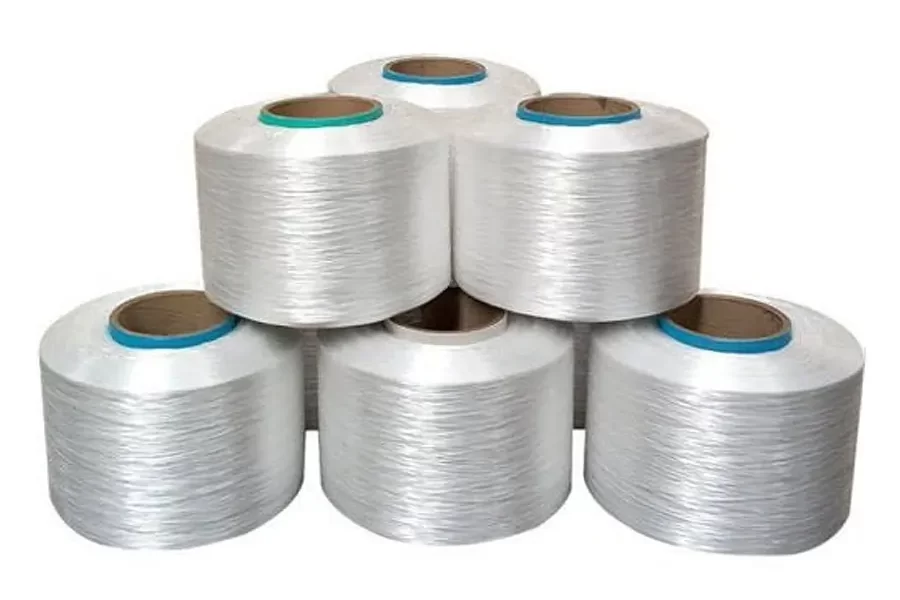
In the world of textiles and industrial materials, multifilament and fibrillated yarns play a crucial role in providing strength, durability, and versatility. These yarns, composed of multiple fine strands, offer unique properties that make them suitable for a wide range of applications, from woven fabrics and ropes to advanced composites and non-woven materials.
Multifilament Yarn and Fibrillated Yarn: Features, Benefits, and Applications
In modern textile and industrial manufacturing, choosing the right type of yarn plays a crucial role in determining the strength, durability, and performance of the final product. Manufacturers often rely on multifilament yarn and fibrillated yarn because these materials provide excellent flexibility, strength, and versatility across many industries.
Simplex Chemopack supplies high-quality multifilament and fibrillated yarns designed to meet the performance requirements of various industrial and textile applications.
Understanding Multifilament Yarn
Multifilament yarn consists of multiple continuous filaments bundled together to form a single yarn structure. Manufacturers typically produce these filaments from synthetic polymers such as polypropylene, polyester, or nylon.
Because the yarn contains many extremely fine filaments, it offers a large surface area, high flexibility, and smooth texture. As a result, industries widely use multifilament yarn in applications that require both strength and softness.
Key Advantages of Multifilament Yarn
High Strength
First and foremost, the combination of numerous filaments significantly increases the yarn’s tensile strength. Consequently, multifilament yarn performs well in demanding industrial applications.
Excellent Durability
In addition, multifilament yarn resists abrasion and wear. This durability makes it suitable for products that require long-term performance under challenging conditions.
Superior Flexibility
Because the yarn contains extremely fine filaments, it remains highly flexible. Therefore, manufacturers can easily weave or process it into different textile structures.
Smooth and Comfortable Texture
Furthermore, multifilament yarn typically has a smooth surface. This smoothness improves comfort when the yarn is used in fabrics or consumer products.
Exploring Fibrillated Yarn
Fibrillated yarn is a special type of multifilament yarn that undergoes an additional manufacturing process known as fibrillation.
During this process, manufacturers split the filaments into even finer microfibers, creating a yarn with a slightly fuzzy or hairy texture. As a result, fibrillated yarn offers increased surface area, improved bulk, and better absorbency compared to standard yarn structures.
Key Advantages of Fibrillated Yarn
Increased Bulk and Volume
First, fibrillation adds extra volume to the yarn. This increased bulk makes the yarn ideal for applications that require cushioning, loft, or thickness.
Improved Absorbency
Because fibrillated yarn has a larger surface area, it absorbs liquids more effectively. Therefore, manufacturers often use it in products that require moisture absorption.
Enhanced Softness
In addition, the microfibers created during fibrillation provide a softer and more comfortable texture.
Applications of Multifilament and Fibrillated Yarn
Thanks to their strength and versatility, these yarn types are widely used across multiple industries.
Woven Fabrics
Manufacturers use multifilament yarn to produce woven fabrics for apparel, upholstery, and industrial textiles.
Ropes and Cordage
Because of its high strength and durability, multifilament yarn is ideal for making ropes, cords, and fishing lines.
Non-Woven Fabrics
Fibrillated yarn is commonly used in the production of non-woven fabrics, including wipes, filtration materials, and hygiene products.
Composite Materials
In addition, multifilament yarn can serve as reinforcement in composite materials, improving structural strength and stability.
Simplex Chemopack: Your Trusted Yarn Supplier
Simplex Chemopack is a leading supplier of high-quality multifilament and fibrillated yarns. The company provides a wide range of yarn options designed to meet the specific needs of industrial and textile manufacturers.
With extensive experience in packaging and textile materials, Simplex Chemopack helps clients select the right yarn type, denier, and finish to achieve optimal product performance.
Frequently Asked Questions (FAQs)
What is the difference between monofilament and multifilament yarn?
Monofilament yarn consists of a single thick strand, while multifilament yarn contains multiple fine filaments bundled together, which improves flexibility and strength.
Why is fibrillated yarn used in non-woven fabrics?
Fibrillated yarn improves the softness, bulk, and absorbency of non-woven fabrics, making them suitable for wipes, filters, and hygiene products.
What polymers are commonly used to produce multifilament yarn?
Manufacturers typically use polypropylene, polyester, and nylon to produce multifilament yarn because these polymers provide durability, strength, and flexibility.
Conclusion
Multifilament yarn and fibrillated yarn play a crucial role in modern textile and industrial manufacturing. Their combination of strength, flexibility, durability, and versatility makes them suitable for a wide range of applications, from woven fabrics to industrial composites.
Multifilament and fibrillated yarns offer a unique combination of strength, durability, and versatility, making them essential components in a wide range of applications. Simplex Chemopack is committed to providing high-quality yarns that meet the evolving needs of our customers.
Contact Simplex Chemopack today to discuss your yarn requirements and explore our comprehensive range of solutions.